
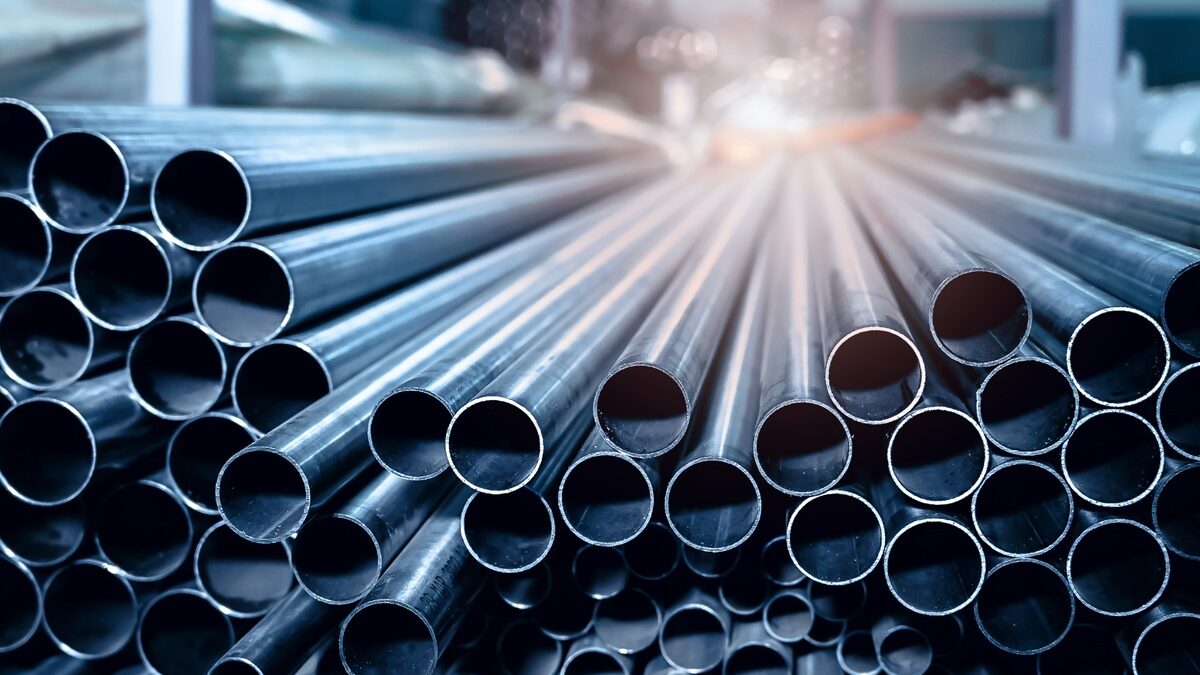

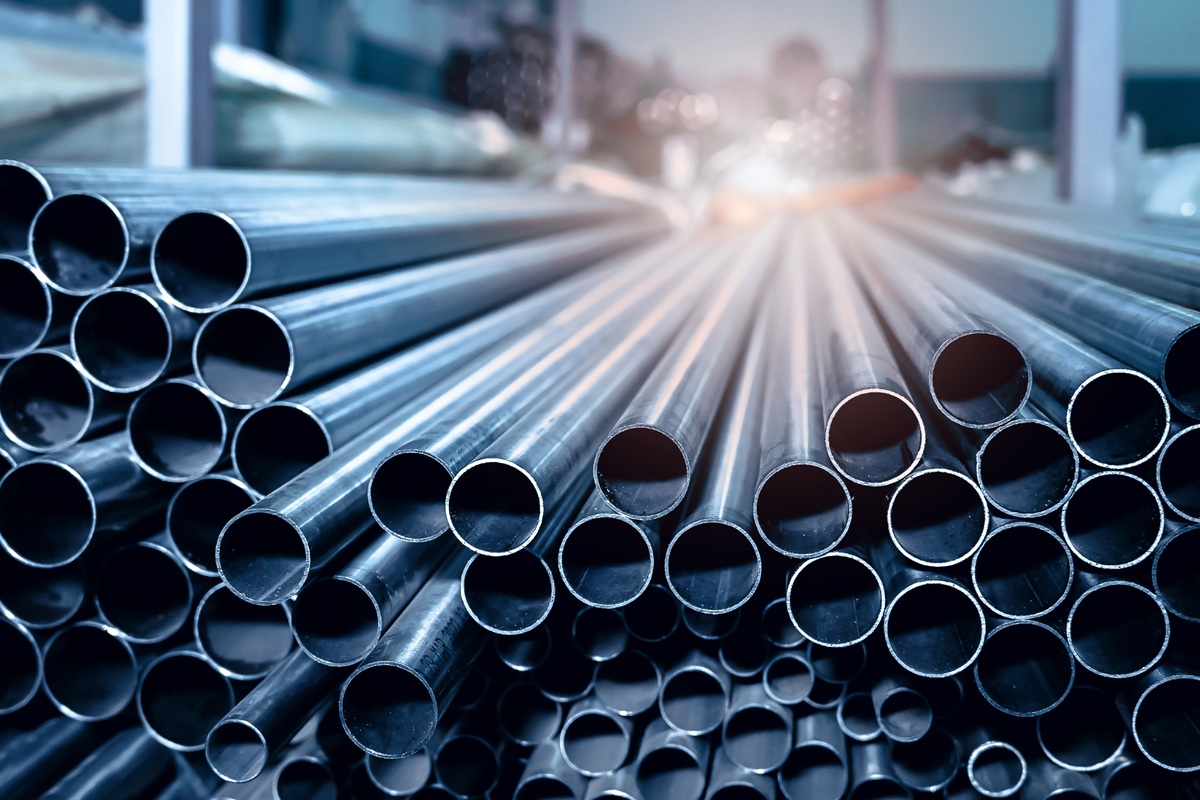
Stainless steel is renowned for its corrosion resistance, making it a popular choice across various industries. From construction to food processing, its durability is highly valued. However, even stainless steel can succumb to corrosion under certain conditions. Understanding the types of corrosion and how to prevent them is crucial for maintaining the integrity and longevity of your stainless steel tube.
This guide will delve into the common causes of corrosion in stainless steel, and what preventative measures you can take. We’ll explore practical tips and best practices to ensure your stainless steel components remain in top condition, saving you time, money, and headaches down the line. So, let’s get started and uncover the secrets to corrosion-free stainless steel.
Understanding the Types of Corrosion in Stainless Steel
Before diving into prevention, it’s essential to understand the different types of corrosion that can affect stainless steel. Each type has its unique characteristics and causes, requiring specific prevention strategies.
Pitting Corrosion
Pitting corrosion is one of the most insidious forms of corrosion. It creates small, localised holes in the metal. These pits can be difficult to detect with the naked eye, but they can eventually lead to significant structural damage. Chlorides, such as those found in seawater or de-icing salts, are common culprits.
This type of corrosion occurs when the passive layer of chromium oxide, which protects the stainless steel, is locally broken down. Once a pit forms, it becomes an anode, while the surrounding area becomes a cathode, accelerating the corrosion process within the pit. Regular cleaning and the use of appropriate stainless steel grades for the environment are key to prevention.
Crevice Corrosion
Crevice corrosion occurs in confined spaces, such as under washers, gaskets, or in areas where two surfaces meet closely. These crevices can trap stagnant solutions, leading to a depletion of oxygen and an increase in chloride concentration. This creates an environment conducive to corrosion.
The restricted access prevents the passive layer from reforming, making these areas particularly vulnerable. Proper design to eliminate crevices, the use of sealants, and regular cleaning can help prevent crevice corrosion. Ensuring good ventilation in these areas is also beneficial.
Galvanic Corrosion
Galvanic corrosion happens when two dissimilar metals are in contact in the presence of an electrolyte (like saltwater). The more active metal corrodes preferentially, while the more noble metal is protected. This is because a galvanic cell is formed, with one metal acting as the anode and the other as the cathode.
For instance, if stainless steel is in contact with aluminium in a marine environment, the aluminium will corrode more rapidly. To prevent galvanic corrosion, avoid using dissimilar metals in contact, use insulating materials to separate them, or apply a protective coating to the more active metal.
Stress Corrosion Cracking (SCC)
Stress corrosion cracking is a particularly dangerous form of corrosion. It occurs when stainless steel is subjected to tensile stress in a corrosive environment, leading to cracking and eventual failure. Chlorides, high temperatures, and specific chemical species can all contribute to SCC.
The cracks can propagate rapidly, often without warning. Reducing tensile stress through design modifications, using more resistant stainless steel grades, and controlling the environment are crucial for preventing SCC. Regular inspections and non-destructive testing can also help detect cracks early on.
General Corrosion
Unlike the localised forms of corrosion mentioned above, general corrosion occurs uniformly across the surface of the metal. This type of corrosion is less common in stainless steel compared to other metals, as stainless steel is designed to resist it. However, it can still occur in highly aggressive environments, such as strong acids or bases.
The entire surface of the stainless steel is affected, leading to a gradual thinning of the material. Selecting the appropriate grade of stainless steel for the specific environment and applying protective coatings can mitigate general corrosion. Regular monitoring and maintenance are also important.
Key Factors Contributing to Corrosion
Several factors can contribute to the corrosion of stainless steel. Understanding these factors will help you implement effective prevention strategies. Here are some of the key contributors:
- Chloride Exposure: Chlorides, commonly found in seawater, de-icing salts, and some cleaning products, can break down the passive layer of stainless steel, leading to pitting and crevice corrosion.
- Temperature: High temperatures can accelerate the rate of corrosion, particularly in the presence of chlorides or other aggressive chemicals. Stress corrosion cracking is also more likely at elevated temperatures.
- Humidity: High humidity levels can increase the risk of corrosion by providing a conductive medium for electrochemical reactions. This is especially true in coastal areas where salt spray is prevalent.
- Chemical Exposure: Exposure to certain chemicals, such as strong acids, bases, or oxidising agents, can damage the passive layer and promote corrosion. The specific chemicals and their concentrations will determine the severity of the corrosion.
- Mechanical Stress: Tensile stress, especially in combination with a corrosive environment, can lead to stress corrosion cracking. Mechanical stress can be caused by applied loads, residual stresses from manufacturing processes, or thermal expansion and contraction.
Practical Steps to Prevent Corrosion in Stainless Steel Tube
Now that we’ve covered the types of corrosion and contributing factors, let’s explore practical steps you can take to prevent corrosion in stainless steel. These measures range from material selection to maintenance practices.
Selecting the Right Grade of Stainless Steel
Choosing the appropriate grade of stainless steel is the first line of defense against corrosion. Different grades offer varying levels of corrosion resistance. For example, 304 stainless steel is suitable for many general applications, while 316 stainless steel, which contains molybdenum, offers enhanced resistance to chloride corrosion. For extremely corrosive environments, duplex stainless steels or super alloys may be necessary.
Consider the specific environmental conditions to which the stainless steel will be exposed, including temperature, humidity, and chemical exposure. Consult with a materials engineer or corrosion specialist to determine the best grade for your application. Proper material selection can significantly extend the lifespan of your stainless steel components.
Surface Preparation and Cleaning
Proper surface preparation is crucial for ensuring the corrosion resistance of stainless steel. Before installation, remove any surface contaminants, such as oil, grease, weld spatter, or mill scale. These contaminants can interfere with the formation of the passive layer and create sites for corrosion to initiate. Clean the surface with appropriate solvents or detergents, followed by thorough rinsing and drying.
Regular cleaning is also essential for maintaining the corrosion resistance of stainless steel. Remove any deposits, such as dirt, dust, or salt, that can accumulate on the surface. Use mild soap and water or a specialised stainless steel cleaner. Avoid using abrasive cleaners or scouring pads, as they can scratch the surface and damage the passive layer.
Passivation
Passivation is a chemical treatment that enhances the formation of the passive layer on stainless steel. It involves immersing the stainless steel in an acid solution, such as nitric acid or citric acid, to remove any surface iron and promote the formation of a chromium-rich oxide layer. This layer provides enhanced corrosion resistance.
Passivation is particularly beneficial for stainless steel that has been machined, welded, or otherwise processed. It helps to restore the passive layer that may have been damaged during these operations. Passivation should be performed according to industry standards and guidelines. Consult with a passivation service provider for specific recommendations.
Protective Coatings
Applying a protective coating to stainless steel can provide an additional barrier against corrosion. Coatings can be organic, such as paints or polymers, or inorganic, such as ceramics or metallic coatings. The choice of coating will depend on the specific application and environmental conditions.
Coatings can provide a physical barrier that prevents corrosive agents from reaching the stainless steel surface. They can also contain corrosion inhibitors that further enhance protection. Ensure that the coating is compatible with the stainless steel and that it is applied properly according to the manufacturer’s instructions. Regular inspection and maintenance of the coating are necessary to ensure its effectiveness.
Cathodic Protection
Cathodic protection is a technique used to prevent corrosion by making the stainless steel the cathode of an electrochemical cell. This can be achieved by connecting the stainless steel to a more active metal, such as zinc or aluminium, which acts as a sacrificial anode. The sacrificial anode corrodes preferentially, protecting the stainless steel.
Cathodic protection is commonly used for buried or submerged stainless steel structures, such as pipelines or tanks. It can also be used in marine environments. The sacrificial anodes must be periodically replaced as they corrode away. Regular monitoring is necessary to ensure the effectiveness of the cathodic protection system.
Design Considerations
Proper design can play a significant role in preventing corrosion. Avoid creating crevices or stagnant areas where corrosive agents can accumulate. Ensure good drainage and ventilation to prevent moisture buildup. Use rounded corners and smooth surfaces to minimise stress concentrations. Design for easy cleaning and maintenance.
Consider the orientation of the stainless steel components to minimise exposure to corrosive agents. For example, orient horizontal surfaces to avoid pooling of water or chemicals. Provide adequate support to prevent excessive stress on the stainless steel. Consult with a design engineer or corrosion specialist to incorporate corrosion prevention measures into your design.
Controlling the Environment
Modifying the environment around the stainless steel can also help to prevent corrosion. Control the temperature, humidity, and chemical exposure. Provide adequate ventilation to remove corrosive vapours. Use dehumidifiers to reduce humidity levels. Neutralise or remove corrosive chemicals from the environment.
In enclosed spaces, consider using corrosion inhibitors to reduce the corrosivity of the atmosphere. These inhibitors can be added to paints, coatings, or cleaning solutions. Regular monitoring of the environment is necessary to ensure that it remains within acceptable limits. Environmental control can be an effective way to extend the lifespan of your stainless steel components.
Specific Applications and Industries
The principles of corrosion prevention apply across various industries and applications. However, some industries have unique challenges and requirements. Here are some examples:
Food and Beverage Industry
In the food and beverage industry, stainless steel is widely used for its hygienic properties and corrosion resistance. However, exposure to cleaning chemicals, food acids, and high temperatures can still lead to corrosion. Use stainless steel grades that are resistant to the specific chemicals and temperatures used in your processes. Implement rigorous cleaning and sanitation procedures. Avoid using chlorides or other aggressive chemicals. Ensure proper drainage and ventilation to prevent moisture buildup.
Marine Environments
Marine environments are particularly corrosive due to the presence of seawater, salt spray, and high humidity. Use stainless steel grades that are specifically designed for marine applications, such as 316 or duplex stainless steels. Apply protective coatings to provide an additional barrier against corrosion. Use cathodic protection for submerged structures. Design to minimise crevices and stagnant areas. Regularly inspect and maintain your stainless steel components.
Chemical Processing
The chemical processing industry involves exposure to a wide range of corrosive chemicals. Select stainless steel grades that are resistant to the specific chemicals used in your processes. Use protective coatings and corrosion inhibitors to provide additional protection. Implement rigorous monitoring and maintenance programs. Design to minimise stress concentrations and avoid crevices. Consult with a corrosion specialist to develop a comprehensive corrosion prevention plan.
Regular Inspection and Maintenance
No matter how well you implement corrosion prevention measures, regular inspection and maintenance are essential for ensuring the long-term integrity of your stainless steel components. Schedule regular inspections to identify any signs of corrosion, such as pitting, crevice corrosion, or cracking. Use non-destructive testing methods, such as visual inspection, ultrasonic testing, or radiographic testing, to detect corrosion early on.
Implement a maintenance program to address any corrosion issues promptly. Repair or replace damaged components as needed. Reapply protective coatings or passivation treatments. Adjust your corrosion prevention measures based on the results of your inspections and maintenance activities. Regular inspection and maintenance can help to prevent catastrophic failures and extend the lifespan of your stainless steel components.
The Importance of Professional Advice
Preventing corrosion in stainless steel can be complex, requiring a thorough understanding of materials science, corrosion mechanisms, and best practices. While this guide provides valuable information, it is not a substitute for professional advice. Consult with a materials engineer, corrosion specialist, or other qualified professional to develop a comprehensive corrosion prevention plan for your specific application.
A professional can help you select the appropriate grade of stainless steel, design for corrosion prevention, implement effective maintenance programs, and troubleshoot any corrosion issues that may arise. Investing in professional advice can save you time, money, and headaches in the long run. They can also assist you with choosing the right stainless steel piping for your needs.
Conclusion
Corrosion in stainless steel can be a costly and disruptive problem, but it is also preventable. By understanding the types of corrosion, contributing factors, and practical prevention measures, you can protect your stainless steel components and ensure their long-term integrity. From selecting the right grade of stainless steel to implementing rigorous maintenance programs, every step you take can make a difference.
Remember to consult with professionals, stay informed about the latest advancements in corrosion prevention, and adapt your strategies to the specific challenges you face. With a proactive and knowledgeable approach, you can minimise the risk of corrosion and maximise the lifespan of your stainless steel assets.
Also Read: What Is Stainless Steel Tubing Used For? A Comprehensive Guide
