

Managing a commercial property is not only about collecting rent, handling repairs, and keeping tenants satisfied. It also means making sure the shared areas of the building remain clean, safe, presentable, and comfortable for everyone who uses them. In Perth, many commercial properties are used by office workers, retail customers, contractors, delivery drivers, visitors, and building staff every day. With that level of movement, cleanliness can quickly become a major part of the property’s overall reputation.
Shared commercial areas can easily become untidy if they are not maintained properly. Lobbies collect dust and footprints. Lifts gather fingerprints. Stairwells can become neglected. Car parks may build up rubbish. Bathrooms need regular attention. These issues may seem small at first, but they can affect tenant satisfaction, visitor confidence, and even safety.
This is why many property managers and building owners work with professional cleaning providers such as Commercialcleaningperthwa to maintain a higher standard across shared commercial spaces.
Why Shared Areas Matter in Commercial Properties
Shared areas are the parts of a building that everyone notices, but no single tenant fully controls. These may include entrances, reception zones, corridors, lifts, stairwells, common bathrooms, kitchens, car parks, waste areas, outdoor walkways, and waiting spaces.
For tenants, these areas are part of their daily work environment. For visitors, they shape the first impression of the building. For property managers, they reflect how well the property is being looked after.
A clean shared space can make a building feel more professional, organised, and safe. A poorly maintained one can create complaints, lower tenant confidence, and make the property harder to lease in the future.
Cleanliness Affects Tenant Satisfaction
Tenants expect the building they occupy to be maintained properly. Even if their own office or shop is clean, they may still feel frustrated if the shared areas are dirty. For example, a tenant may keep their reception area spotless, but if the building lobby has dusty floors, overflowing bins, or unpleasant odours, their clients may still leave with a poor impression.
This is especially important in commercial buildings where multiple businesses operate from one site. A law firm, finance office, clinic, consultancy, or retail tenant may rely heavily on client trust. When shared areas are clean, tenants feel more confident inviting customers and partners into the building.
Property managers who invest in regular cleaning can reduce complaints and create a better experience for all occupants.
Lobbies and Entrances Create the First Impression
The entrance is one of the most important areas in any commercial property. It is the first thing tenants, clients, suppliers, and visitors see when they arrive. A clean lobby or entrance can immediately make the building feel professional and well managed.
Important cleaning tasks in these areas may include:
Cleaning glass doors and windows
Vacuuming or mopping floors
Removing dust from reception counters and ledges
Emptying bins
Cleaning signage and directory boards
Removing cobwebs
Checking mats and entry flooring
Keeping waiting areas tidy
When these tasks are handled consistently, the building feels more welcoming. When they are ignored, the space can quickly look tired and neglected.
Corridors, Stairwells, and Lifts Need Regular Attention
Corridors, stairwells, and lifts often receive heavy daily use. These are high-traffic areas where dirt, dust, fingerprints, and marks can build up quickly.
Lifts need particular attention because people touch buttons, doors, handrails, and walls throughout the day. Dirty lift surfaces can make a building feel unhygienic, even if the rest of the property is clean. Stairwells can also become problem areas because they are sometimes treated as secondary spaces. However, tenants and visitors still use them, especially during busy periods or emergencies.
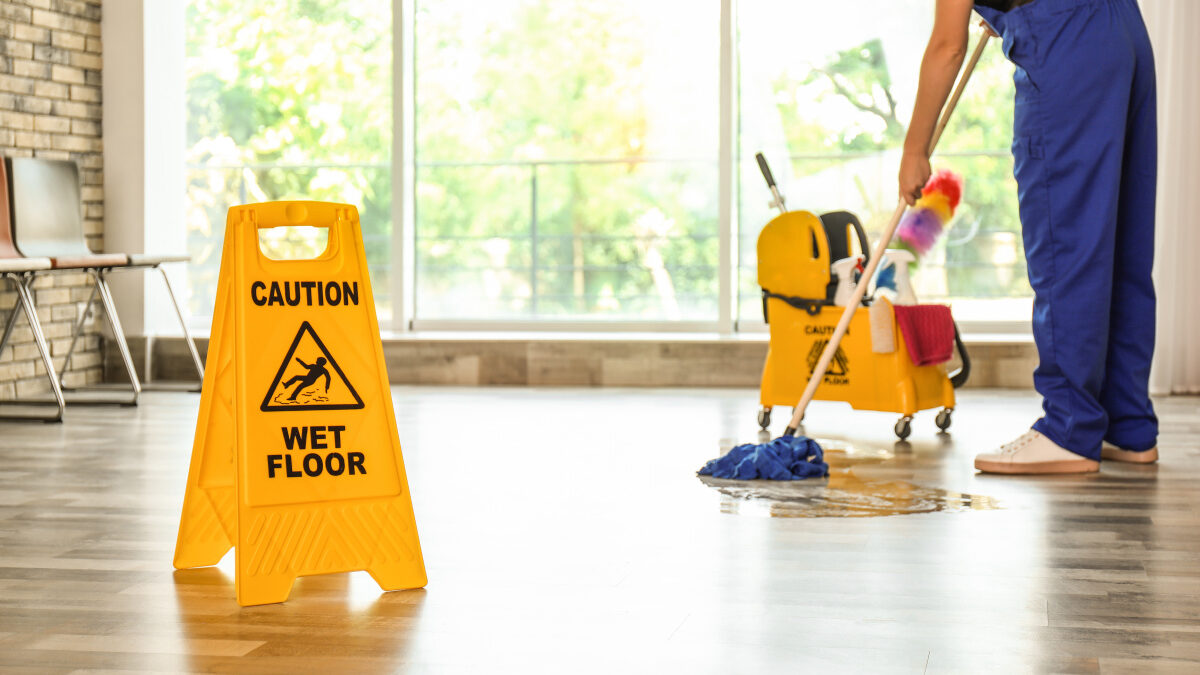
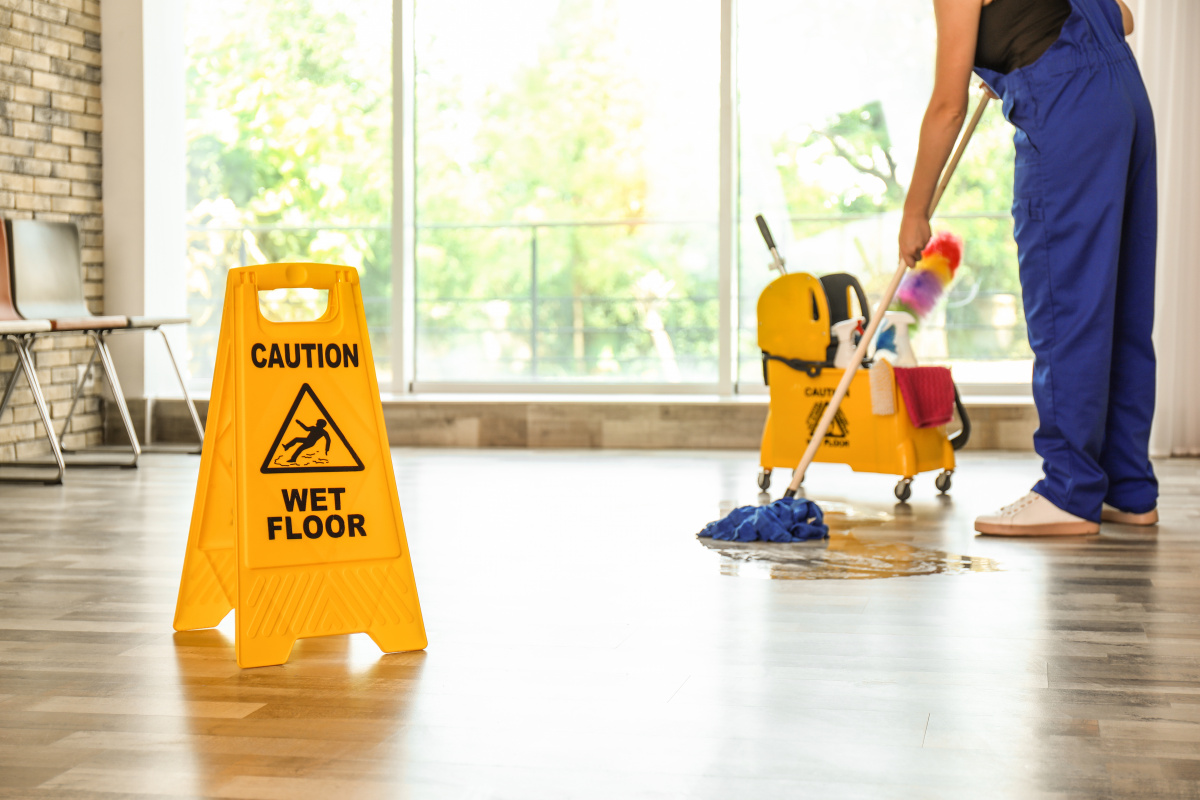
Clean stairwells and corridors also support safety. Dust, spills, loose rubbish, or wet patches can increase the risk of slips and falls. Property managers should treat these areas as essential parts of the cleaning routine, not as afterthoughts.
Common Bathrooms Must Be Maintained Carefully
Shared bathrooms are one of the most sensitive parts of any commercial building. If they are not cleaned properly, complaints can appear quickly. A dirty bathroom can make tenants feel uncomfortable and may damage the professional image of the entire property.
Bathrooms should be cleaned with attention to hygiene, odour control, and supply checks. This includes sinks, taps, mirrors, toilets, floors, partitions, hand dryers, bins, and soap dispensers. Toilet paper, hand soap, and other supplies should also be monitored.
For buildings with high visitor traffic, bathroom cleaning may need to be done more than once a day. A simple morning clean may not be enough if the property has many occupants or frequent visitors.
Waste Areas Can Affect the Whole Building
Waste areas are often hidden from visitors, but they still matter. Poorly maintained rubbish zones can create odours, pests, stains, and hygiene problems. They can also become a source of complaints if bins overflow or waste is not handled correctly.
Commercial buildings may have different types of waste depending on the tenants. Offices, retail shops, cafés, medical-related businesses, and service providers may all produce different waste volumes. Property managers need a cleaning routine that keeps these areas controlled and safe.
A clean waste area helps prevent bigger maintenance issues. It also supports better building hygiene and reduces the chance of pest problems.
Car Parks and Outdoor Areas Should Not Be Ignored
Car parks, pathways, loading zones, and external entry areas are part of the property experience. They may not always be considered “inside” the building, but they still influence how tenants and visitors feel.
Leaves, dirt, cigarette butts, food wrappers, drink containers, oil marks, and general rubbish can make outdoor areas look neglected. In wet weather, dirt and mud from outside can also be carried into lobbies and corridors.
Regular sweeping, rubbish removal, pressure cleaning where suitable, and entry mat maintenance can help keep these areas under control. A cleaner exterior also helps reduce the amount of dirt brought indoors.
Why Strata Cleaning Requires a Planned Approach
Strata cleaning is different from cleaning a single private office. In a strata property, multiple owners, tenants, businesses, or occupants may share the same building spaces. This means cleaning must be consistent, organised, and fair to all users.
A good strata cleaning routine should cover common areas, high-touch surfaces, shared bathrooms, lifts, stairwells, entry points, waste areas, and outdoor zones. The goal is not only to make the property look clean, but also to maintain hygiene, safety, and long-term property value.
For property managers who need reliable support, professional Strata Cleaning Perth wa services can help keep shared commercial spaces clean without relying on tenants to manage common area maintenance themselves.
Cleaning Helps Protect Property Value
A clean commercial property is easier to maintain over time. Dirt, stains, dust, and grime can damage floors, walls, fixtures, carpets, glass, and outdoor surfaces if ignored for too long.
For example, carpets in common areas can wear faster when dirt is not removed regularly. Hard floors can lose their finish. Glass can become stained. Outdoor surfaces can become slippery. Bathrooms can develop odour and mould problems.
Routine cleaning helps protect the building’s physical condition. It can also reduce the need for urgent deep cleaning or expensive repairs later.
Safety Is a Major Responsibility for Property Managers
Property managers have a responsibility to keep common areas safe and usable. Cleaning plays a direct role in this. Spills, wet floors, loose rubbish, dust build-up, and blocked walkways can create safety risks.
A reliable cleaning schedule helps identify and reduce these problems before they become serious. Cleaners may also notice maintenance concerns, such as leaking taps, broken fixtures, damaged flooring, or blocked drains. When reported early, these issues can be fixed before they affect tenants or visitors.
Cleanliness and safety are closely connected. A clean property is usually easier to inspect, easier to manage, and safer for everyday use.
Communication Makes Cleaning More Effective
Property managers should not treat cleaning as a set-and-forget service. Communication is important. Tenants may report areas that need more attention, while cleaners may notice recurring issues that need management support.
For example, if rubbish regularly builds up near a certain entrance, the property manager may need more bins or more frequent waste checks. If bathrooms become dirty by midday, the cleaning schedule may need adjustment. If carpets near the entrance become stained during winter, additional matting or periodic deep cleaning may be needed.
The best results come from a flexible cleaning plan that responds to the way the building is actually used.
Every Commercial Property Has Different Cleaning Needs
No two commercial buildings are exactly the same. A small office complex may need a different cleaning routine from a mixed-use building with retail shops, clinics, offices, and food outlets. A property with heavy customer traffic may need more frequent cleaning than one used mainly by staff.
Property managers should consider:
How many people use the building daily
Which areas receive the most traffic
Whether visitors or customers regularly enter the property
How many bathrooms and shared kitchens are available
How often bins fill up
Whether there are outdoor or car park areas
Whether tenants operate outside standard office hours
These details help create a more practical cleaning schedule.
Final Thoughts
Clean shared spaces are essential for commercial property management. They influence first impressions, tenant satisfaction, safety, hygiene, and long-term property value. For Perth property managers, regular cleaning is not just a basic maintenance task. It is part of protecting the building’s reputation and keeping tenants happy.
A well-cleaned property feels more professional, runs more smoothly, and creates fewer complaints. Whether the building includes offices, retail spaces, shared bathrooms, lifts, stairwells, car parks, or outdoor common areas, a planned cleaning routine can make a clear difference.
FAQs
How often should shared commercial areas be cleaned?
It depends on the size of the building and the level of traffic. Busy commercial properties may need daily cleaning, while smaller buildings may need scheduled cleaning several times per week.
What areas are most important in strata cleaning?
Entrances, lobbies, lifts, stairwells, corridors, bathrooms, waste areas, car parks, and outdoor walkways are usually the most important shared areas.
Why should property managers use professional cleaners?
Professional cleaners help maintain consistent standards, reduce tenant complaints, improve hygiene, and allow property managers to focus on other building responsibilities.
Can regular cleaning help reduce maintenance costs?
Yes. Regular cleaning can protect carpets, floors, glass, fixtures, bathrooms, and outdoor surfaces from long-term dirt, stains, and damage.
