

Building long-term wealth can seem overwhelming, especially for individuals who are new to investing. With countless financial products available, it is easy to feel uncertain about where to start. Many people hesitate to invest because they believe it requires extensive market knowledge, constant monitoring, or a large amount of capital.
Mutual funds have become one of the most widely used investment vehicles because they simplify the process of participating in financial markets. They allow investors to pool their money together and gain access to a diversified portfolio managed by professionals. Understanding how mutual funds work can help investors make informed decisions and take meaningful steps toward their financial goals.
What Is a Mutual Fund?
A mutual fund is an investment vehicle that combines money from multiple investors to purchase a collection of assets such as stocks, bonds, money market instruments, or a combination of these investments. The fund is managed by professional fund managers who make decisions on behalf of investors according to the fund’s objectives.
When an investor purchases shares of a mutual fund, they own a portion of the overall portfolio rather than individual securities. This structure provides exposure to a broad range of investments through a single purchase. Instead of selecting dozens of individual stocks or bonds, investors can gain diversification through one fund.
Mutual funds are regulated financial products and play an important role in retirement planning, wealth accumulation, and long-term investing. Financial professionals, institutional investors, and major financial organisations often recognise diversification as a key principle of risk management, which is one reason mutual funds remain popular among investors of all experience levels.
How Mutual Funds Generate Returns
Mutual funds can generate returns in several ways. One source comes from income earned by the securities held within the fund. For example, bond funds may receive interest payments, while stock funds may receive dividends from companies in the portfolio.
Another source of return comes from capital appreciation. If the value of the underlying investments increases over time, the overall value of the mutual fund can rise as well. Investors may benefit from this growth when they sell their shares at a higher price than they originally paid.
Fund managers continuously monitor holdings and may buy or sell investments to align with the fund’s strategy. While professional management can help investors access expertise and research, it is important to remember that all investments carry risk and future performance can never be guaranteed.
Different Types of Mutual Funds
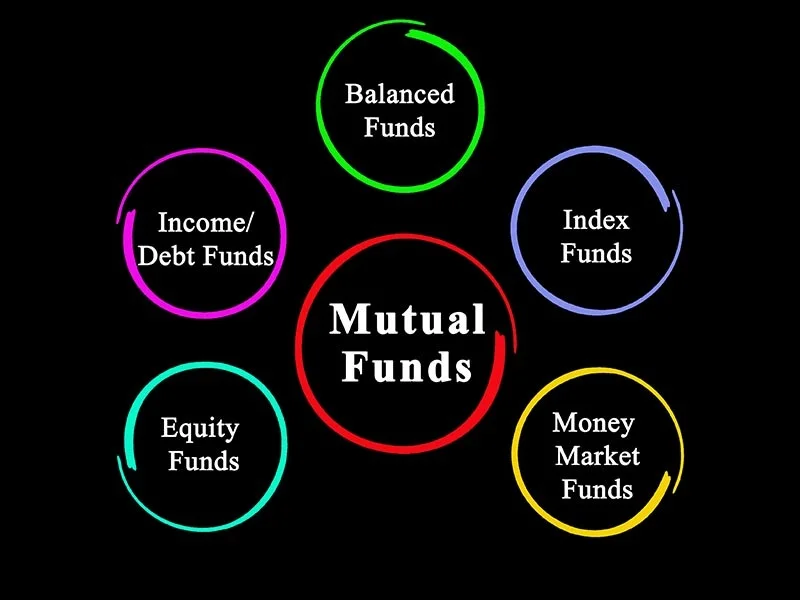
Mutual funds are available in a variety of categories designed to meet different investment objectives. Equity funds primarily invest in stocks and are often chosen by investors seeking long-term growth. Bond funds focus on fixed-income securities and may appeal to those looking for income and potentially lower volatility.
Balanced or hybrid funds combine stocks and bonds within a single portfolio. These funds aim to provide a blend of growth potential and stability. Money market funds, meanwhile, generally invest in highly liquid, short-term instruments and are often viewed as more conservative investment options.
Investors should evaluate their financial goals, risk tolerance, and investment timeline before selecting a fund. Someone saving for retirement decades away may choose a different type of fund than someone preparing for a major expense in the next few years. Understanding these categories helps investors align their portfolios with their personal objectives.
The Importance of Diversification
One of the most significant advantages of mutual funds is diversification. Rather than relying on the performance of a single company or security, investors spread their money across multiple holdings. This can help reduce the impact of poor performance from any one investment.
Diversification does not eliminate risk, but it can help manage it more effectively. A well-diversified portfolio may be better positioned to withstand market fluctuations than a portfolio concentrated in a small number of investments. This principle is widely supported throughout the investment industry and remains a cornerstone of sound portfolio construction.
For new investors exploring how to invest in mutual funds, diversification is often one of the first benefits they encounter. It provides access to broader market exposure while reducing the complexity of selecting and managing individual securities on their own.
Factors to Consider Before Investing
Before investing in a mutual fund, it is important to review key details about the fund’s objectives, holdings, fees, and historical performance. Although past performance cannot predict future results, it can provide insight into how the fund has behaved during different market conditions.
Fees and expenses should also be examined carefully. Even small differences in expense ratios can have a meaningful impact on long-term returns. Investors should understand what costs they are paying and whether those costs align with the value provided by the fund.
Conclusion
Mutual funds offer a practical and accessible way for investors to participate in financial markets without the burden of managing every investment decision themselves. Through professional management, diversification, and a wide range of investment options, they provide a flexible solution for individuals pursuing various financial goals.
By understanding how mutual funds work, the different types available, and the factors that influence performance, investors can make more informed choices. A thoughtful approach to investing, combined with patience and consistency, can help build confidence and support long-term financial growth.
