
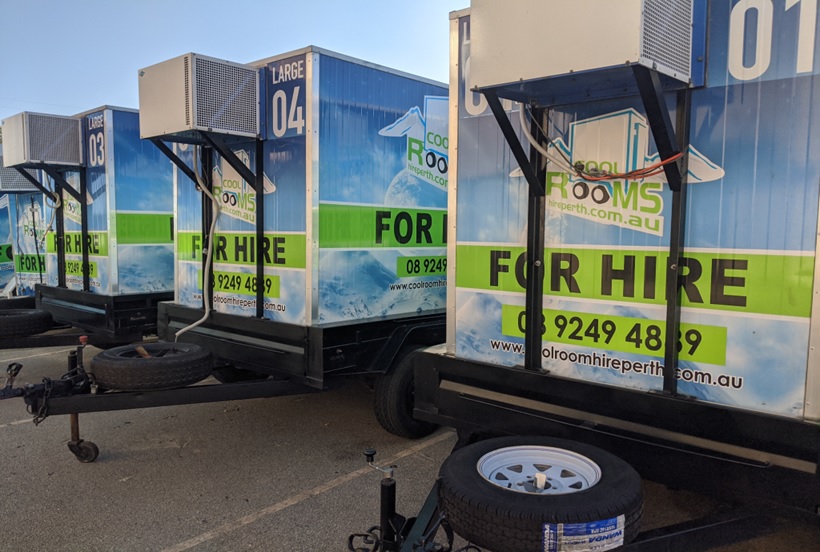

Keeping things cool, whether it’s food, beverages, or sensitive equipment, is essential for many businesses and events. But the cost of purchasing and maintaining a permanent cool room can be a significant burden. That’s where the option to hire and buy cool rooms comes into play, offering a flexible and potentially more affordable solution. This article explores the ins and outs of both options, helping you make the smartest choice for your specific needs and budget.
From understanding the initial investment to factoring in ongoing expenses, we’ll break down the key considerations for both hiring and buying a cool room. We’ll also delve into the different types of cool rooms available, their features, and how to determine the right size and specifications for your requirements. So, whether you’re a restaurant owner, event organiser, or simply need temporary cooling for a special occasion, read on to discover how to keep your cool without breaking the bank.
Understanding Your Cooling Needs
Before diving into the specifics of hiring versus buying, it’s crucial to accurately assess your cooling requirements. This will help you determine the appropriate size, type, and features of the cool room you need, ensuring you don’t overspend or end up with a solution that doesn’t meet your needs. Consider the following factors:
What will you be cooling?
The type of goods you’ll be storing will influence the temperature range required. For example, storing fresh produce requires different temperatures than storing frozen goods. Meats, dairy, and beverages also have their own specific temperature needs for optimal preservation.
How much space do you need?
Estimate the volume of goods you’ll need to store at any given time. Consider peak periods, such as weekends or holidays, when your storage needs may increase. It’s always better to err on the side of slightly larger, rather than too small, to avoid overcrowding and ensure proper air circulation.
How long will you need the cooling solution?
Is it a one-off event, a seasonal requirement, or a year-round need? The duration of your cooling needs will significantly impact whether hiring or buying is the more cost-effective option. Short-term needs typically favour hiring, while long-term needs may justify the investment of purchasing.
The Benefits of Coolroom Hire
For many businesses and individuals, coolroom hire Perth offers a practical and economical alternative to purchasing a cool room outright. Here are some key advantages:
- Lower upfront costs: Hiring eliminates the significant capital outlay required for purchasing a cool room. This frees up your budget for other essential expenses.
- Flexibility: Hire a cool room only when you need it, for the exact duration you require. This is ideal for seasonal businesses, events, or temporary increases in storage needs.
- Maintenance and repairs included: The hire company is responsible for all maintenance and repairs, saving you time, hassle, and potential expenses.
- No depreciation: Unlike owning a cool room, you don’t have to worry about depreciation or resale value.
- Variety of options: Hire companies typically offer a range of cool room sizes and configurations to suit different needs.
Cost Considerations for Coolroom Hire
While hiring offers lower upfront costs, it’s important to understand the ongoing expenses involved. Rental fees typically vary depending on the size of the cool room, the duration of the hire, and any additional features or services required. Be sure to factor in delivery and pickup costs, as well as any potential charges for damage or excessive cleaning.
Consider these factors when evaluating the cost-effectiveness of hiring:
- Daily or weekly rental rates
- Delivery and pickup fees
- Insurance costs
- Potential late return fees
The Advantages of Buying a Cool Room
Purchasing a cool room can be a worthwhile investment for businesses with consistent, long-term cooling needs. Here are some key benefits:
- Long-term cost savings: Over time, the total cost of ownership may be lower than the cumulative cost of hiring, especially for businesses with year-round cooling requirements.
- Customisation: You can choose a cool room that is specifically tailored to your exact needs and specifications, including size, layout, and features.
- Control: You have complete control over the operation and maintenance of your cool room, allowing you to ensure it meets your standards.
- Asset: A cool room is an asset that can be depreciated over time, providing potential tax benefits.
- Resale value: You may be able to recoup some of your investment by selling the cool room when you no longer need it.
Financial Aspects of Cool Room Ownership
The initial investment for purchasing a cool room can be substantial, but it’s important to consider the long-term financial implications. Factor in the purchase price, installation costs, ongoing maintenance and repairs, energy consumption, and potential depreciation. You may also need to obtain permits or approvals from your local council.
Here’s a breakdown of the costs associated with cool room ownership:
- Purchase price of the cool room unit
- Installation expenses, including electrical work
- Ongoing maintenance and repair costs
- Electricity consumption
- Insurance premiums
- Depreciation
Making the Right Choice: Hire or Buy?
Deciding whether to hire or buy a cool room depends on a variety of factors specific to your individual circumstances. There’s no one-size-fits-all answer, but by carefully considering your needs, budget, and long-term goals, you can make an informed decision that’s right for you. To help you decide, consider the following scenarios:
Short-Term or Infrequent Needs
If you only need a cool room for a short period or on an infrequent basis, hiring is likely the most cost-effective option. This is particularly true for events, seasonal businesses, or temporary increases in storage needs. The flexibility and lower upfront costs of hiring make it an attractive choice for these scenarios.
Long-Term or Frequent Needs
For businesses with consistent, year-round cooling needs, purchasing a cool room may be the more economical solution in the long run. While the initial investment is higher, the long-term cost savings and greater control over the asset can outweigh the benefits of hiring. Consider the lifespan of the cool room and how it will integrate into your long-term business strategy.
Budget Constraints
If you have limited capital available, hiring a cool room allows you to access the cooling solutions you need without straining your budget. The lower upfront costs of hiring make it a more accessible option for businesses and individuals with limited financial resources.
Essential Features to Consider
Whether you choose to hire or buy a cool room, there are several essential features to consider to ensure it meets your specific requirements. These features will impact the performance, efficiency, and usability of the cool room.
- Temperature control: Look for a cool room with precise and reliable temperature control to maintain the optimal storage conditions for your goods.
- Insulation: Adequate insulation is crucial for maintaining consistent temperatures and minimising energy consumption.
- Air circulation: Proper air circulation is essential for preventing temperature stratification and ensuring uniform cooling throughout the cool room.
- Lighting: Adequate lighting is important for visibility and safety inside the cool room.
- Shelving and storage: Consider the shelving and storage options available to maximise space and organisation within the cool room.
Tips for Saving Money on Cooling Solutions
Regardless of whether you choose to hire or buy, there are several ways to save money on cooling solutions. Here are some practical tips to help you reduce your costs:
- Shop around and compare prices: Get quotes from multiple suppliers to ensure you’re getting the best possible deal.
- Choose the right size: Avoid hiring or buying a cool room that is larger than you need, as this will increase your energy consumption and costs.
- Maintain proper insulation: Ensure the cool room is properly insulated to minimise heat loss and reduce energy consumption.
- Minimise door openings: Frequent door openings allow warm air to enter the cool room, increasing energy consumption.
- Regular maintenance: Schedule regular maintenance to ensure the cool room is operating efficiently and to prevent costly repairs.
Frequently Asked Questions
What size cool room do I need?
The size of the cool room you need depends on the volume of goods you’ll be storing. Estimate your storage needs, considering peak periods, and choose a cool room that is slightly larger than your initial estimate to allow for future growth.
How much does it cost to hire a cool room?
The cost of cool room hire varies depending on the size of the cool room, the duration of the hire, and any additional features or services required. Contact a reputable hire company for a quote.
Is it better to hire or buy a cool room?
The best option depends on your specific needs and circumstances. Hiring is generally more cost-effective for short-term or infrequent needs, while buying may be more economical for long-term, consistent cooling requirements.
How can I reduce my cool room energy consumption?
Ensure proper insulation, minimise door openings, and schedule regular maintenance to optimise energy efficiency and reduce your electricity bills.
What are the different types of cool rooms available?
Cool rooms come in various sizes and configurations, including portable cool rooms, walk-in cool rooms, and modular cool rooms. Choose the type that best suits your space and storage needs.
