
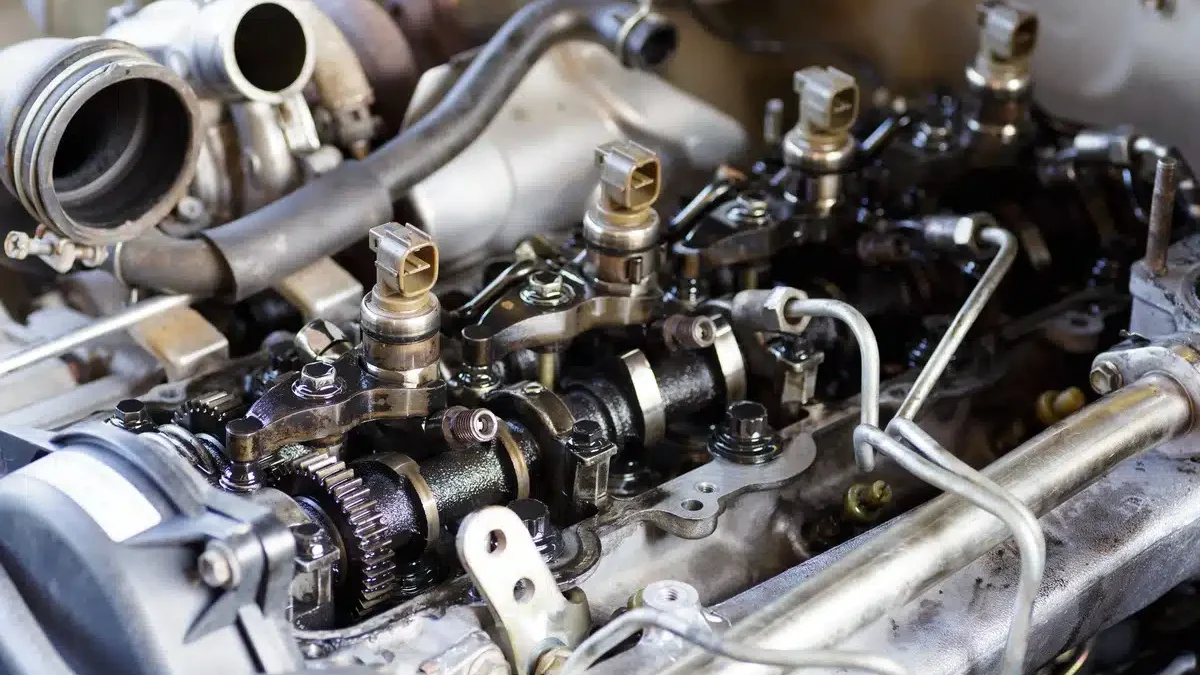

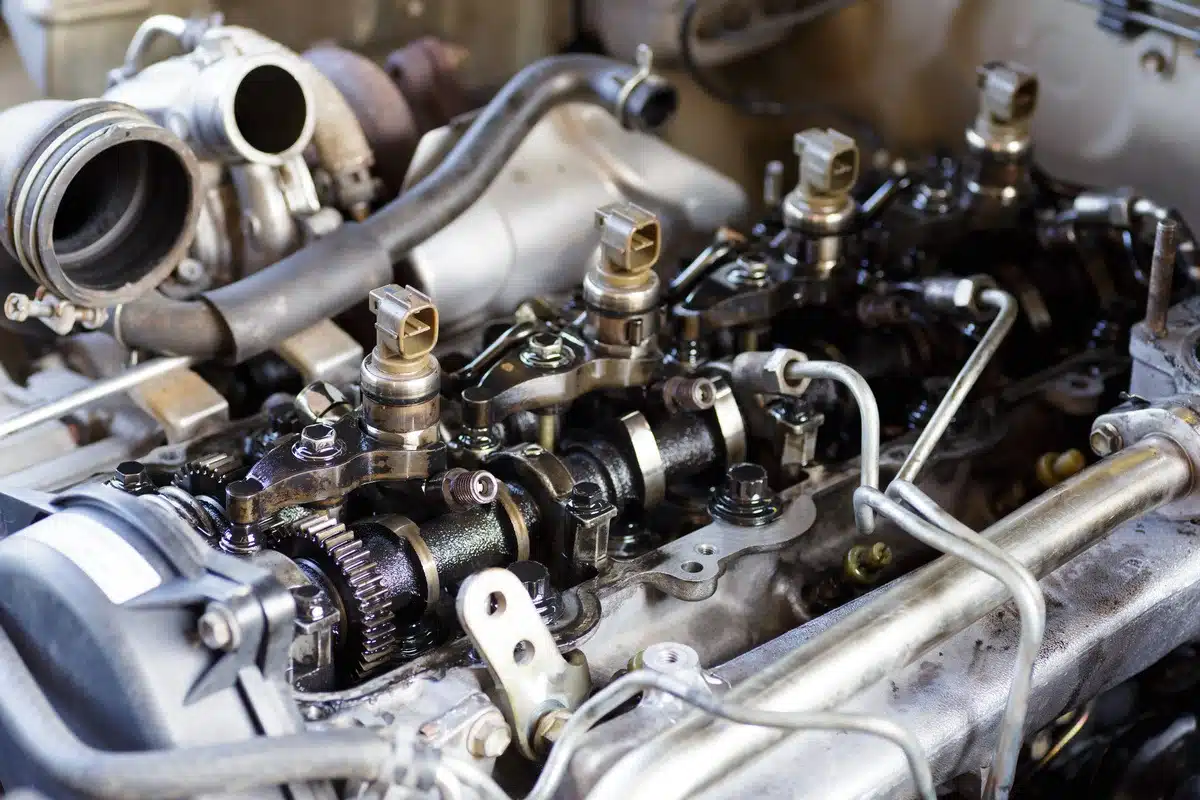
In the ever-evolving landscape of automotive technology, fuel injection pumps stand at the forefront, significantly enhancing engine performance and efficiency. These critical components are responsible for delivering precise amounts of fuel to the engine’s combustion chamber, ensuring optimal combustion and power output. As the demand for high-performance vehicles and environmentally friendly solutions continues to rise, the role of fuel injection pumps has become increasingly vital. Modern fuel injection systems have moved beyond traditional mechanical designs, incorporating advanced electronic controls that allow for real-time adjustments based on driving conditions, load, and engine requirements. This technological evolution not only maximizes fuel atomization and improves combustion but also plays a crucial role in reducing emissions and improving fuel economy. By facilitating a more efficient fuel delivery process, fuel injection pumps contribute to the overall longevity and reliability of engine systems. In this article, we will explore the intricacies of fuel injection pumps, examining their various types, operational mechanisms, and the significant impact they have on engine performance. Additionally, we will discuss the latest advancements in fuel injection technology and how they address the challenges of modern automotive demands, paving the way for a more efficient and sustainable future in engine design.
– Understanding Fuel Injection Pump Functionality
Fuel injection pumps are critical components in modern internal combustion engines, playing a pivotal role in optimizing performance and efficiency. These pumps are responsible for delivering fuel from the tank to the engine’s combustion chamber at the precise rate and timing required for optimal combustion. By ensuring that the correct amount of fuel is injected under varying engine loads and speeds, fuel injection pumps help maintain the ideal air-fuel mixture, which is essential for efficient combustion and reduced emissions.
The functionality of fuel injection pumps can vary significantly depending on the specific design and technology used, whether mechanical or electronic. Mechanical pumps operate through a series of mechanical linkages, while electronic pumps utilize advanced sensors and control systems to monitor engine conditions in real-time, adjusting fuel delivery accordingly. This adaptability not only enhances engine performance by providing more power and responsiveness but also contributes to fuel efficiency, helping to reduce overall fuel consumption and emissions. Consequently, understanding the intricacies of fuel injection pumps is vital for optimizing engine operations and achieving sustainable performance in today’s automotive landscape.
Fuel injection pumps optimize fuel delivery for improved engine performance and efficiency.
The precision provided by fuel injection pumps directly impacts the combustion process, enabling engines to achieve higher power output while consuming less fuel. By modulating fuel delivery in response to real-time engine demands, these pumps facilitate an optimal air-fuel mixture that enhances combustion efficiency. In turn, this results in improved throttle response and smoother operation, contributing to a more enjoyable driving experience. Additionally, the optimized fuel delivery minimizes the production of harmful emissions, aligning with stringent environmental regulations and promoting sustainability.
The advancements in fuel injection pump technology, particularly with the integration of electronic control systems, have revolutionized engine management. These systems allow for finer adjustments in fuel dosage, enhancing the engine’s ability to adapt to various driving conditions and load changes. This level of control not only maximizes fuel efficiency but also extends engine longevity by reducing wear and tear associated with improper fuel delivery. As such, fuel injection pumps are essential for achieving the balance between performance, efficiency, and environmental responsibility in modern automotive engineering.
– Benefits of Upgrading Fuel Injection Pumps
Upgrading fuel injection pumps can lead to significant improvements in overall vehicle performance and reliability. Enhanced fuel injection pumps are designed to deliver higher pressure and more precise fuel atomization, which can result in better combustion and greater power output. The increased efficiency often translates to noticeable gains in torque, allowing for quicker acceleration and improved responsiveness during driving. Furthermore, modern fuel injection technologies often come equipped with advanced diagnostics, allowing for early detection of issues that could impact engine performance, thus reducing the risk of costly repairs and enhancing longevity.
Another advantage of upgrading fuel injection pumps is the potential for improved fuel economy, which can lead to long-term savings at the pump. By optimizing the amount and timing of fuel delivered to the engine, these pumps help reduce excess fuel consumption and minimize waste. This efficiency not only benefits the driver with lower fuel costs but also contributes to a reduced carbon footprint, aligning with contemporary environmental standards. As fuel injection technology continues to evolve, those who invest in upgrades can ensure their engines remain competitive in performance and compliance with emerging regulations.
Upgrading enhances fuel efficiency and engine responsiveness, leading to better overall performance.
The integration of upgraded fuel injection pumps plays a crucial role in enhancing vehicle performance through improved fuel efficiency and engine responsiveness. By facilitating a more accurate fuel delivery system, these advanced pumps ensure that the engine receives the optimal amount of fuel at precisely the right moment. This precision not only helps to achieve a more complete combustion process but also enhances throttle response, allowing drivers to experience a more dynamic and engaging driving experience.
Moreover, the increased efficiency resulting from modern fuel injection pumps contributes to reduced emissions, aligning with environmental standards while also benefiting the vehicle’s performance metrics. As a consequence of this refined fuel management, drivers may observe a marked improvement in mileage, translating to fewer visits to the gas station. Ultimately, the cumulative effects of upgrading fuel injection pumps manifest in a vehicle that is not only more powerful and responsive but also more economical and environmentally conscious.
– Maintenance Tips for Fuel Injection Pumps
Regular maintenance of fuel injection pumps is essential to ensure optimal performance and longevity. It is advisable to periodically check the fuel filter and replace it as needed, as a clogged filter can lead to restricted fuel flow and potential damage to the pump. Additionally, keeping the fuel system clean by using high-quality fuel and considering fuel system cleaners can help prevent the buildup of deposits that may affect the pump’s efficiency. Routine inspections for leaks and ensuring that electrical connections are secure will further safeguard against unexpected failures.
Moreover, adhering to the manufacturer’s recommendations for maintenance schedules and replacing worn or damaged components promptly can significantly mitigate the risk of pump failure. Monitoring fuel pressure and performance can also provide valuable insights into the condition of the fuel injection pumps. By implementing these maintenance practices, vehicle owners can maximize the lifespan and functionality of fuel injection pumps, ensuring that their engines operate smoothly and efficiently.
Regular maintenance ensures longevity and optimal performance of fuel injection pumps in your vehicle.
Consistent attention to fuel injection pumps is crucial for maintaining their effectiveness and extending their operational life. Neglecting this aspect can lead to increased wear and tear, resulting in diminished engine performance and costly repairs. Regular checks not only help identify issues early but also foster a better understanding of how the fuel system functions, allowing for timely adjustments and interventions. Utilizing diagnostic tools to monitor the performance of fuel injection pumps can pinpoint irregularities before they escalate into more significant problems.
Furthermore, proper maintenance can enhance fuel efficiency, contributing to overall vehicle performance. By ensuring that fuel injection pumps are functioning correctly, drivers can experience smoother acceleration and improved throttle response. Maintaining the proper calibration of these pumps also plays a pivotal role in optimizing fuel atomization and combustion, leading to reduced emissions and better mileage. Ultimately, a proactive maintenance strategy not only saves costs but also ensures a reliable and efficient driving experience.
In conclusion, fuel injection pumps play a critical role in optimizing engine performance and efficiency, serving as the heart of modern fuel delivery systems. By precisely regulating the amount of fuel injected into the combustion chamber, these pumps not only enhance power output but also contribute to improved fuel economy and reduced emissions. As automotive technology continues to advance, the importance of high-quality fuel injection pumps will only grow, making them essential for both performance enthusiasts and environmentally conscious drivers alike. Investing in reliable and efficient fuel injection systems is not just a choice, but a necessity for achieving the best possible results in today’s competitive automotive landscape.
