
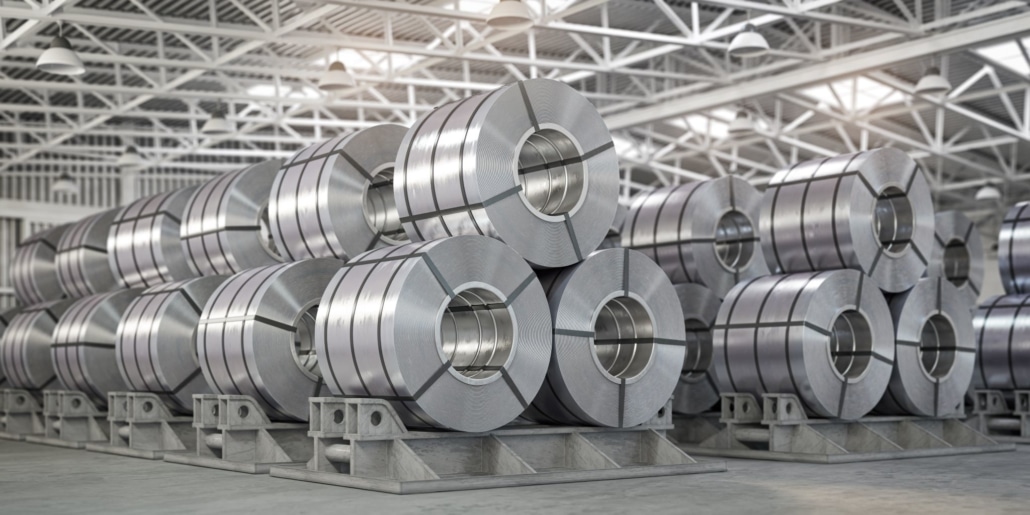

Choosing the right metal supplier can have a significant impact on a manufacturing or construction project’s quality, cost, and timeline. While many suppliers offer metal products, their inventory, processing capabilities, and customer support can vary considerably. Finding a reliable sheet metal distributor is especially important when a project requires specific alloys, thicknesses, dimensions, or finishes.
Start With Your Material Requirements
Determine the precise material requirements for your project before evaluating providers. Take into account the kind, alloy, thickness, dimensions, temper, and planned use of the metal.
Sheet and plate materials are frequently utilized for electrical components, brackets, coverings, architectural features, manufactured components, and decorative applications. Different properties, such as conductivity, corrosion resistance, strength, appearance, and formability, are offered by copper, brass, and bronze.
Having precise specifications lowers the possibility of acquiring material that is inappropriate for your application and facilitates contact with a supplier.
Consider the Range of Materials Available
One of the first things you should consider is the availability of the product. Finding the appropriate material without contacting several businesses can be made simpler by a supplier with a large assortment.
For instance, the strength, machinability, and formability of various brass alloys can vary. The final component’s fabrication and use will determine which option is best. For various purposes, a distributor with a variety of copper, brass, and bronze grades can offer more versatility.
Look at Cutting and Finishing Capabilities
Product selection may not always be as valuable as processing services. Buyers may need material cut to certain dimensions or ready for further manufacturing, depending on the project.
Reducing the number of suppliers participating in a project and streamlining procurement are two benefits of working with a provider that offers cutting or finishing services. This can be especially helpful in ornamental and architectural applications where exact measurements and surface look are important.
Ask About Custom Requirements
The requirements of specific projects are not always satisfied by standard sizes. Unusual dimensions, thicknesses, temperatures, or forms may be required by manufacturers and fabricators.
Prior to placing an order, find out if the distributor can get products outside of its regular inventory or meet specific criteria. Prototypes, unique parts, architectural projects, and applications where standard sizes could lead to needless waste can all benefit from this flexibility.
Check Inventory and Delivery Reliability
If the appropriate material is delivered after your production timetable, it will be of little use. Fabrication, installation, and client commitments may all be impacted by delayed material deliveries.
Because of this, take into account a supplier’s capacity for inventory and repeat business. Instead of depending only on a product listing, it’s crucial to verify current stock levels and anticipated delivery timelines.
A distributor may be better able to handle pressing needs and ongoing projects if they have a large inventory.
Consider Your Industry’s Needs
Different material qualities are prioritized by different sectors. While conductivity may be more important in electrical applications, architectural projects could prioritize beauty and corrosion resistance. Materials that are resistant to bending, stamping, machining, and other fabrication processes may be required by manufacturers.
You can choose the right material and a distributor who understands the standards of your sector by being aware of these needs.
Ask Questions Before Ordering
Sourcing problems can be avoided by asking a few straightforward questions:
- Is the necessary alloy accessible right now?
- Which diameters and thicknesses are available?
- Does the material fulfill the necessary requirements?
- Are there several tempers available?
- Is it possible to finish or cut the material?
- Is the supplier able to manage repeat orders?
- What is the anticipated time frame for delivery?
Verifying this information before placing an order can improve procurement predictability and avoid needless production delays.
Conclusion
While choosing a metal supplier, price should not be the only factor taken into account. Overall project costs may be more significantly impacted by consistent quality, stable inventory, customization possibilities, delivery dependability, and quick service.
A skilled sheet metal distributor can play a significant role in a business’s supply chain by assisting in the procurement of appropriate materials for ongoing and upcoming projects. Instead of selecting a provider only on the basis of the lowest estimate, take into account the total value they offer.
Metal sourcing can be made more effective, and projects can be completed on time by a distributor who combines material diversity, inventory availability, processing skills, and trustworthy customer service.
